Blocked ears are a very common problem that can affect hearing, comfort, and daily life. Many people search for solutions like ear blockage treatment, blocked ear relief, or ear wax removal near me, especially when symptoms start suddenly. In most cases, a blocked ear is not dangerous, but it can become uncomfortable and sometimes indicate an underlying issue that needs professional attention.
In this guide, we will explain the most common causes of blocked ears, including earwax, headphones, infections, and lifestyle habits. You will also learn safe prevention methods and when it is important to visit a hearing clinic for professional care.
What Does a Blocked Ear Feel Like?
A blocked ear can feel different from person to person, but common symptoms include:
- Muffled or reduced hearing
- A feeling of fullness or pressure in the ear
- Mild pain or discomfort
- Ringing sound (tinnitus)
- Dizziness or imbalance in some cases
These symptoms often appear suddenly and may affect one or both ears.
1. Earwax Buildup (Most Common Cause)
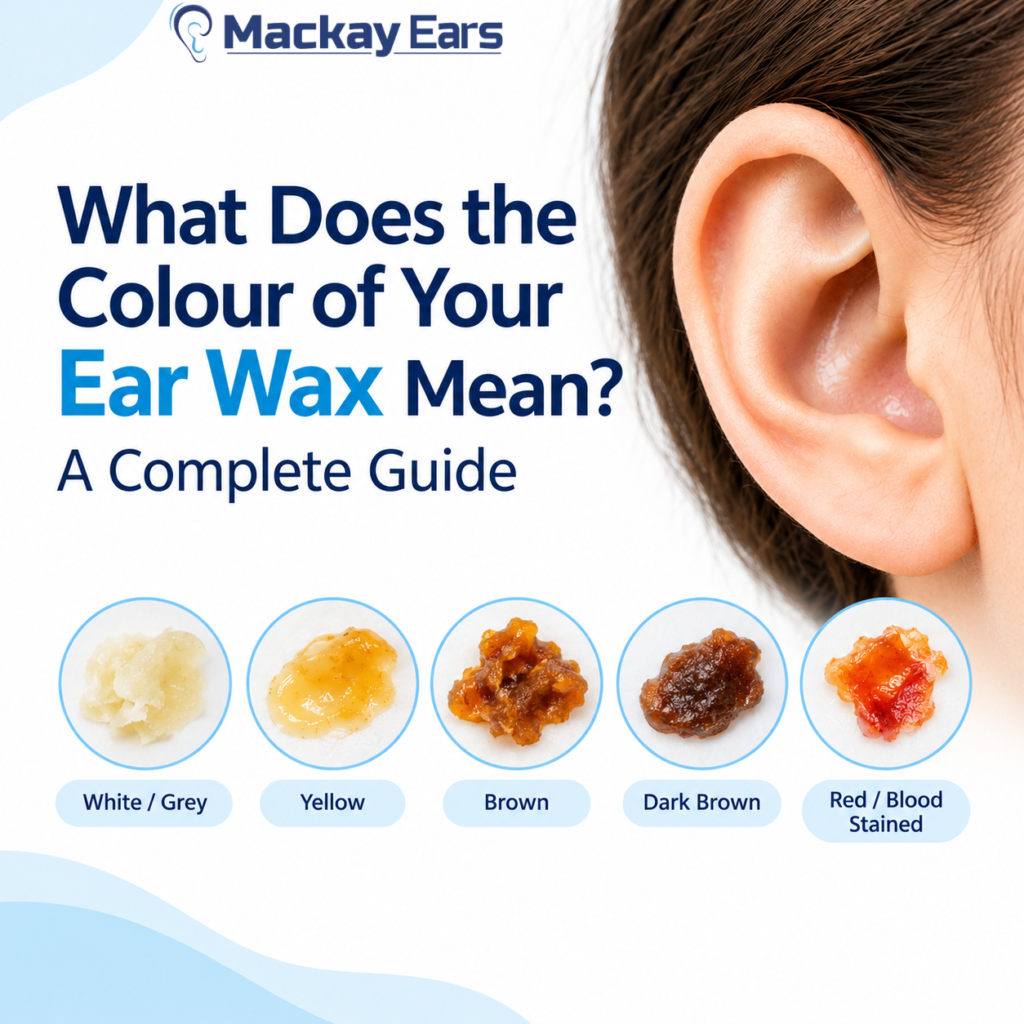
One of the leading causes of blocked ears is earwax (cerumen) buildup. Earwax is naturally produced to protect the ear canal from dust, bacteria, and foreign particles. However, when too much wax accumulates, it can harden and block the ear canal.
Why earwax causes blockage:
- Overproduction of wax
- Using cotton buds pushing wax deeper
- Narrow ear canals
- Wearing hearing aids or earbuds frequently
Symptoms:
- Gradual hearing loss
- Ear fullness
- Itching or mild discomfort
Prevention tips:
- Avoid inserting cotton buds or sharp objects
- Let the ear clean itself naturally
- Use professional ear cleaning if needed
- Book regular check-ups at a hearing clinic if you are prone to wax buildup
For safe treatment, clinics like Mackay Ears offer microsuction-based ear wax removal services.
2. Headphones and Earbuds Usage
Modern lifestyle has increased the use of headphones and earbuds, which can contribute to blocked ears in multiple ways.
How headphones cause blockage:
- Trap heat and moisture inside the ear
- Push wax deeper into the canal
- Increase risk of bacterial growth if not cleaned
Symptoms:
- Itching inside ears
- Reduced hearing after long usage
- Mild discomfort or pressure
Prevention tips:
- Limit continuous headphone use (take breaks every hour)
- Clean earbuds regularly
- Avoid high volume levels
- Use over-ear headphones instead of in-ear when possible
3. Ear Infections (Outer and Middle Ear)
Ear infections are another major cause of blocked ears, especially in humid environments or after water exposure.
Types of infections:
- Outer ear infection (swimmer’s ear)
- Middle ear infection
Common causes:
- Water trapped in the ear
- Bacteria or fungal growth
- Cold, flu, or sinus infections
Symptoms:
- Pain in the ear
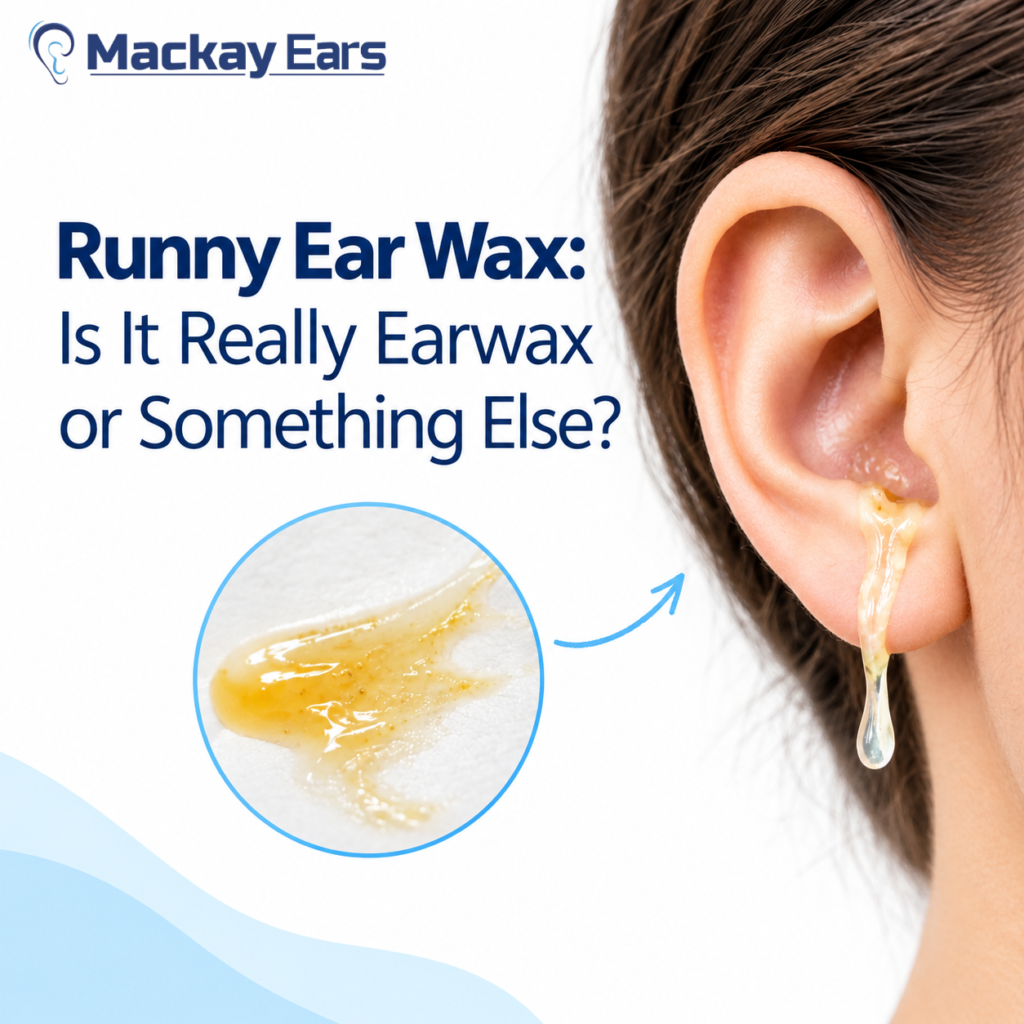
- Fluid discharge
- Hearing difficulty
- Fever (in some cases)
Prevention tips:
- Keep ears dry after bathing or swimming
- Avoid inserting objects into the ear
- Treat colds and allergies early
- Seek medical help if pain persists
4. Sinus and Allergy Problems
Many people don’t realize that sinus issues and allergies can also cause blocked ears. This happens because the Eustachian tube (which connects the ear and throat) becomes inflamed or blocked.
Causes:
- Seasonal allergies
- Dust or pollution exposure
- Cold and flu infections
Symptoms:
- Pressure in ears
- Muffled hearing
- Head congestion
Prevention tips:
- Manage allergies with medication if needed
- Stay hydrated
- Avoid smoke and pollutants
- Use steam inhalation for relief
5. Water Trapped in the Ear
Water entering the ear during swimming or bathing can cause temporary blockage.
Why it happens:
- Water gets stuck in the ear canal
- Creates moisture that affects earwax balance
Symptoms:
- “Sloshing” sound in ear
- Temporary hearing loss
- Mild discomfort
Prevention tips:
- Tilt head to drain water naturally
- Dry ears gently with a towel
- Use earplugs when swimming
- Avoid inserting cotton buds
6. Air Pressure Changes (Flying or Altitude)
Changes in air pressure can temporarily block the ears, especially during flights or mountain travel.
Causes:
- Rapid altitude changes
- Eustachian tube imbalance
Symptoms:
- Ear popping sensation
- Temporary hearing reduction
- Pressure inside ears
Prevention tips:
- Chew gum during flights
- Yawn or swallow frequently
- Use pressure equalizing techniques
- Stay hydrated
7. Lifestyle Habits That Cause Blocked Ears
Some everyday habits can increase the risk of ear blockage without people realizing it.
Common habits:
- Using cotton buds frequently
- Ignoring early symptoms
- Listening to loud music
- Poor ear hygiene practices
Prevention tips:
- Stop using cotton buds for cleaning
- Maintain proper ear hygiene
- Get professional ear checkups
- Reduce exposure to loud noise
When Should You See a Doctor?
You should seek professional help if:
- Blocked ear lasts more than 3–5 days
- Severe pain or discharge is present
- Sudden hearing loss occurs
- Dizziness or balance issues develop
Professional clinics use safe methods like microsuction instead of unsafe home remedies.
Professional Ear Care Solution in Mackay
If you are in the Mackay region and experiencing persistent ear blockage, visiting a professional clinic is the safest option.
Mackay Ears provides expert ear care services including:
- Microsuction ear wax removal
- Hearing assessment
- Safe ear cleaning procedures
- Treatment for blocked ears and infections
Professional care ensures safe removal without damaging the ear canal.
Final Thoughts
Blocked ears are usually caused by simple issues like earwax, headphone use, infections, or lifestyle habits. While many cases are temporary, ignoring symptoms or using unsafe cleaning methods can make the problem worse.
The best approach is prevention, proper hygiene, and professional care when needed. If symptoms persist, visiting a hearing specialist ensures safe and effective treatment.