Cleaning your ears at home feels like a normal habit for many people. After a shower or when the ear feels itchy, most people reach for a cotton bud or try some “quick home remedy” they saw online.
But here’s the truth: your ears are self-cleaning organs, and most DIY ear cleaning methods do more harm than good.
In fact, unsafe cleaning habits are one of the most common reasons people develop blocked ears, ear infections, and even temporary hearing loss.
Let’s break down why DIY ear cleaning can be risky and what you should do instead.
Your Ear Is Designed to Clean Itself
Inside your ear canal, there is a natural cleaning system. Earwax is slowly pushed outward by jaw movement when you talk, chew, or yawn.
This means:
- Old wax naturally moves out
- Dirt gets trapped and removed
- The ear stays protected without effort
So when you try to “clean deep inside,” you actually interfere with this natural process.
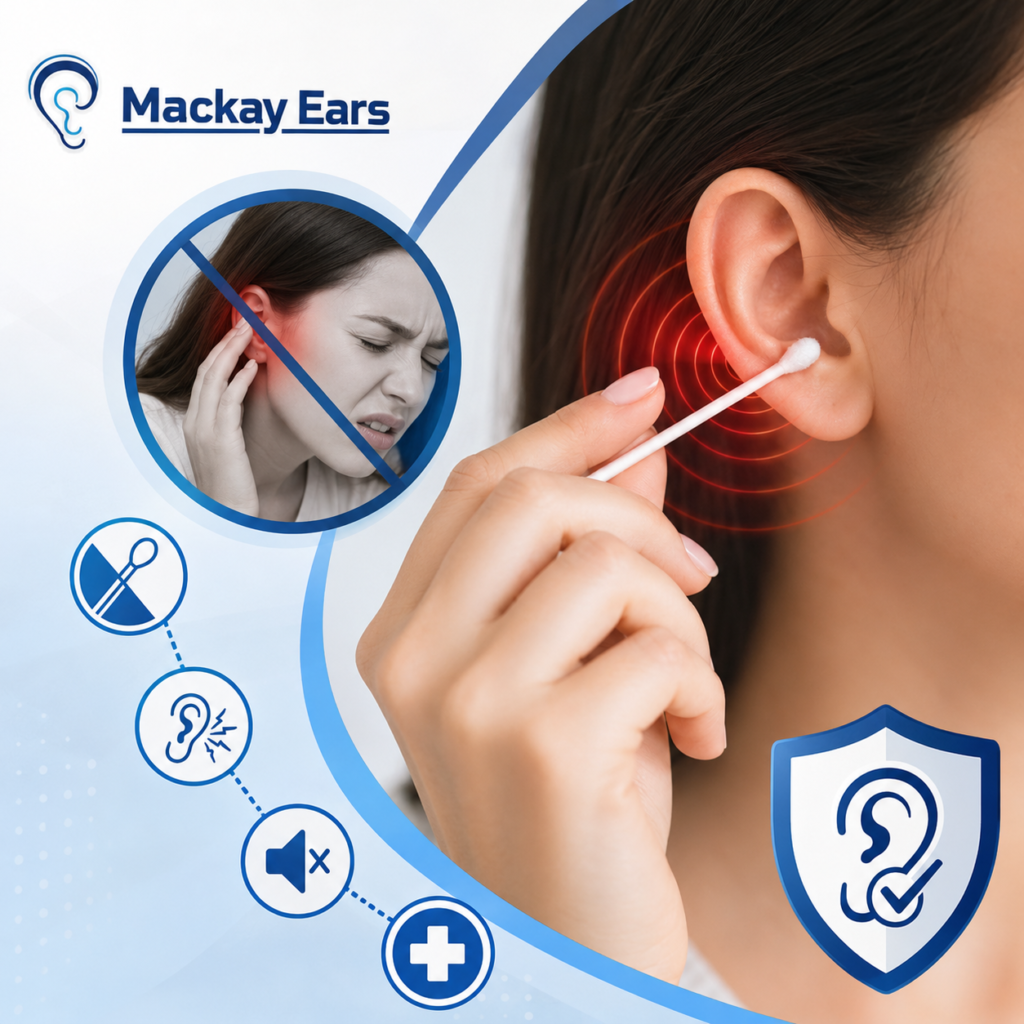
Risk 1: Cotton Buds Push Wax Deeper
The most common mistake people make is using cotton buds.
It may feel like you are cleaning, but in reality:
- Wax is pushed deeper into the ear canal
- It gets compacted and hardens
- A blockage is formed over time
Instead of removing wax, cotton buds often turn a small amount of wax into a full ear blockage problem.
What you may notice after using cotton buds:
- Sudden blocked ear feeling
- Reduced hearing
- Ear fullness or pressure
This is one of the biggest reasons people visit ear clinics.
Risk 2: Damage to the Ear Canal
The skin inside your ear canal is very thin and sensitive.
Using cotton buds or other objects can cause:
- Scratches inside the ear
- Small cuts that bleed
- Irritation and swelling
Even a small injury can make the ear more vulnerable to infection.
Risk 3: Risk of Ear Infection
When the ear canal is damaged or irritated, bacteria and fungi can grow easily.
DIY cleaning increases the risk of:
- Outer ear infections (painful condition)
- Fungal growth in warm, moist ears
- Discharge or itching
An infection can take days or weeks to heal and may require medication.
Risk 4: Pushing Wax Against the Eardrum
If wax is pushed too deep, it can get stuck near the eardrum.
This can cause:
- Muffled hearing
- Pressure sensation
- Temporary hearing loss
- Dizziness in some cases
In severe cases, improper tools can even damage the eardrum, which is a serious medical issue.
Risk 5: Unsafe Home Remedies
Many people try home remedies like oils, ear candles, or random online hacks.
Common unsafe methods:
- Ear candles
- Excessive oil drops without guidance
- Sharp objects (pins, keys, etc.)
- Unsterilized tools
Problems with these methods:
- No scientific proof of effectiveness
- Risk of burns or injury (especially ear candles)
- Can worsen blockage instead of removing it
- May delay proper treatment
Just because something is popular online does not mean it is safe for your ears.
Risk 6: Temporary or Permanent Hearing Issues
Most DIY damage leads to temporary problems like:
- Blocked hearing
- Pressure in the ear
- Ringing sound (tinnitus)
However, repeated injury or serious misuse of objects can sometimes lead to long-term damage, especially if the eardrum is affected.
Why People Keep Doing It Anyway
Even though risks exist, people still use cotton buds and home methods because:
- It feels clean and satisfying
- It’s a habit from childhood
- Lack of awareness about ear self-cleaning
- Misleading online advice
But what feels “clean” is not always healthy for your ears.
Safe Alternative: Professional Ear Cleaning
Instead of risking damage at home, the safest option is professional care.
One of the most trusted modern methods is:
Microsuction Ear Wax Removal
Why it is safer:
- Uses gentle suction instead of pushing objects inside
- No water pressure involved
- Performed under direct visual control
- Reduces risk of infection or injury
- Provides immediate relief from blockage
It is widely used in modern hearing clinics because it is precise and safe.
Signs You Should Stop DIY Cleaning Immediately
Stop home cleaning and seek help if you notice:
- Ear feels blocked after cleaning
- Hearing becomes worse
- Pain or discomfort starts
- Dizziness or ringing occurs
- Repeated wax buildup
These are signs that the ear needs professional attention.
How to Take Care of Your Ears Safely
Instead of deep cleaning, follow simple habits:
- Clean only the outer ear with a towel
- Avoid inserting anything into the ear canal
- Keep ears dry after bathing
- Limit excessive headphone use
- Get professional check-ups if needed
Less interference = healthier ears.
Final Thoughts
DIY ear cleaning might seem harmless, but it can actually cause more problems than it solves. Cotton buds, home remedies, and unsafe tools often push wax deeper, irritate the ear canal, and increase the risk of infection.
The ear is naturally designed to clean itself. Your job is not to over-clean it, but to protect it.
When blockage happens, the safest solution is always professional care rather than home experiments.
If you experience frequent ear blockage or hearing changes, a clinical approach like microsuction can restore hearing safely and quickly without damage.