Can Ear Wax Cause Hearing Loss? Everything You Need to Know
Many people are surprised to learn that ear wax (cerumen) is one of the most common causes of temporary hearing loss. While ear wax plays an essential role in protecting your ears, excessive build-up can block sound from reaching the eardrum, making hearing seem muffled or reduced.
If you’ve noticed sudden hearing changes, blocked ears, or ringing sounds (tinnitus), impacted ear wax could be contributing to your symptoms.
In this guide, we’ll explain how ear wax affects hearing, the connection between ear wax and tinnitus, when to seek professional help, and how safe ear wax removal can improve your hearing.
What Is Ear Wax?
Ear wax is a natural substance produced by glands inside the ear canal. Although many people think ear wax is dirty, it actually serves several important purposes.
Ear wax helps to:
- Protect the ear canal from dust and debris
- Trap bacteria and foreign particles
- Keep the ear canal moisturised
- Reduce the risk of infection
- Naturally clean the ears as it moves outward
In most people, ear wax leaves the ear naturally. Problems begin only when wax becomes impacted or builds up excessively.
Can Ear Wax Cause Hearing Loss?
Yes.
Impacted ear wax is one of the most common causes of temporary conductive hearing loss.
When a large amount of wax blocks the ear canal, sound waves cannot travel efficiently to the eardrum. As a result, sounds become quieter or muffled.
Unlike permanent hearing loss caused by damage to the inner ear or auditory nerve, hearing loss caused by ear wax is usually temporary and may improve after the blockage is safely removed.
How Does Ear Wax Affect Hearing?
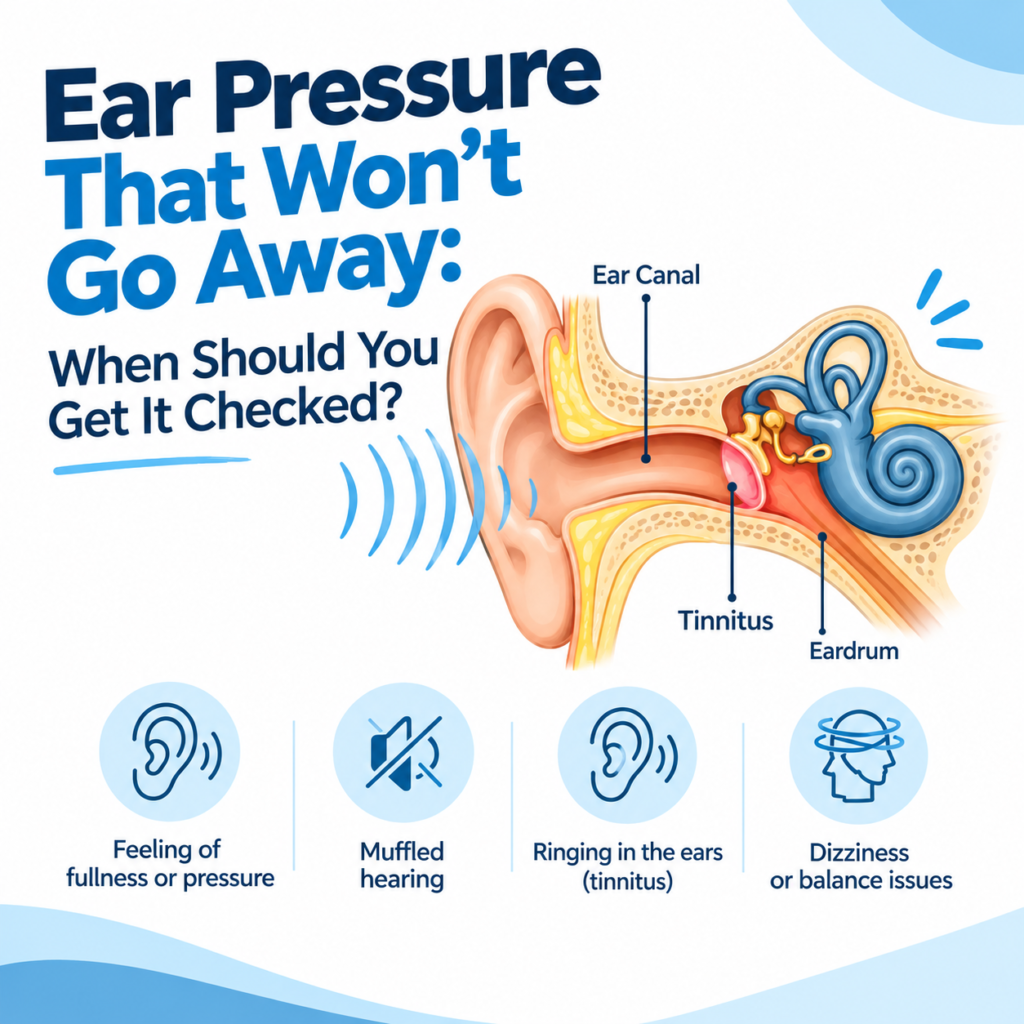
Your ear works by allowing sound waves to travel through the ear canal to the eardrum.
When wax completely or partially blocks this pathway, it can reduce the amount of sound reaching the eardrum.
This may cause:
- Muffled hearing
- Difficulty understanding conversations
- Reduced hearing in one ear
- Feeling like your ear is blocked
- Needing to increase TV or phone volume
The severity depends on how much wax is present and where it is located.
Symptoms of Ear Wax Hearing Loss
You may have hearing problems caused by ear wax if you experience:
- Sudden hearing loss
- Muffled hearing
- Ear fullness
- Blocked ears
- Difficulty hearing conversations
- TV volume seems too low
- Hearing aid feedback
- Ear discomfort
- Itching inside the ear
- Occasional dizziness
These symptoms are not always caused by ear wax, so professional assessment is important.
Is Hearing Loss from Ear Wax Permanent?
In most cases, no.
Ear wax causes temporary hearing loss, not permanent hearing damage.
Once the blockage is safely removed, many patients notice an immediate improvement in hearing.
However, if hearing does not improve after wax removal, another underlying ear condition may be responsible and should be investigated by a healthcare professional.
Ear Wax and Tinnitus: Are They Connected?
Yes, they can be.
Tinnitus is the perception of sounds such as:
- Ringing
- Buzzing
- Hissing
- Whistling
- Humming
without an external source.
Impacted ear wax can sometimes trigger or worsen tinnitus by changing how sound reaches the eardrum and how the brain processes auditory signals.
If ear wax is the cause, professional removal may reduce or resolve tinnitus symptoms. However, tinnitus has many possible causes, so improvement is not guaranteed.
Can Ear Wax Cause Balance Problems?
Some people with severe ear wax blockage also report:
- Mild dizziness
- Feeling off balance
- Ear pressure
Although ear wax is not the most common cause of dizziness, significant blockage can contribute to these sensations in some individuals.
Persistent dizziness should always be medically assessed.
Who Is More Likely to Experience Ear Wax Build-Up?
Some people naturally produce more ear wax than others.
The risk is higher if you:
- Wear hearing aids
- Frequently use earbuds or earphones
- Have narrow ear canals
- Are older adults
- Produce excessive ear wax naturally
- Use cotton buds regularly
These groups may benefit from periodic ear examinations.
Can Hearing Aids Make Ear Wax Worse?
Yes.
Hearing aids can interfere with the ear’s natural self-cleaning process by preventing wax from moving outward.
This may lead to:
- Faster wax build-up
- Hearing aid whistling (feedback)
- Reduced hearing aid performance
- Blocked ears
Regular ear checks can help maintain hearing aid effectiveness.
When Should You Seek Professional Ear Wax Removal?
You should arrange a professional ear examination if you notice:
- Sudden hearing loss
- Muffled hearing
- Blocked ears
- Persistent tinnitus
- Ear fullness
- Hearing aid problems
- Frequent wax build-up
- Ear discomfort
Professional assessment ensures the symptoms are actually caused by ear wax before treatment begins.
Why You Should Avoid Removing Ear Wax Yourself
Many people attempt home ear cleaning using:
- Cotton buds
- Hairpins
- Ear candles
- Ear picks
- Home irrigation kits
Unfortunately, these methods often:
- Push wax deeper
- Increase blockage
- Irritate the ear canal
- Increase the risk of injury
Professional ear wax removal is much safer.
How Is Ear Wax Safely Removed?
Modern clinics commonly use microsuction ear wax removal.
During the procedure, trained clinicians use:
- Magnification
- Medical lighting
- A sterile suction device
This allows accurate wax removal while continuously viewing the ear canal.
Most appointments take around 20–30 minutes.
How Long Does It Take to Recover?
If ear wax is causing hearing loss, many patients notice clearer hearing immediately after successful wax removal.
Some people may experience temporary sensitivity for a short time, especially if the wax was severely impacted.
Frequently Asked Questions
Can ear wax really make you deaf?
Impacted ear wax can cause temporary hearing loss, but it does not usually cause permanent deafness.
Can ear wax cause ringing in the ears?
Yes.
Impacted ear wax may contribute to tinnitus in some people.
Will hearing return after ear wax removal?
If ear wax is the cause of hearing loss, hearing often improves immediately after professional removal.
Is sudden hearing loss always caused by ear wax?
No.
Sudden hearing loss can have many causes.
Any sudden or severe hearing loss should be assessed promptly by a healthcare professional.
How often should ear wax be removed?
There is no standard schedule.
Some people never require removal, while others may benefit from regular ear checks.
Why Choose Mackay Ears?
At Mackay Ears, we provide professional ear care focused on safety, comfort, and long-term hearing health.
Our services include:
- ✔ Comprehensive Ear Assessment
- ✔ Professional Microsuction Ear Wax Removal
- ✔ Experienced Ear Care Clinicians
- ✔ Modern Clinical Equipment
- ✔ Personalised Ear Care Advice
- ✔ Hearing Aid Support
- ✔ Comfortable Clinical Environment
Every patient receives an individual assessment to determine the most appropriate treatment.
Conclusion
Ear wax is an essential part of your ear’s natural defence system, but excessive build-up can lead to temporary hearing loss, blocked ears, tinnitus, and other hearing problems.
The good news is that, when ear wax is the cause, professional removal often restores hearing quickly and safely.
If you’re experiencing reduced hearing, ringing in the ears, or recurring ear wax problems, don’t ignore the symptoms.
Book an appointment with Mackay Ears today for a professional ear assessment and safe microsuction ear wax removal. Our experienced clinicians are here to help you hear clearly again.